

Dr. Kranti K. Srivastava
Director, Prasad Pscycho Pvt Ltd
25 min read
October 20, 2026
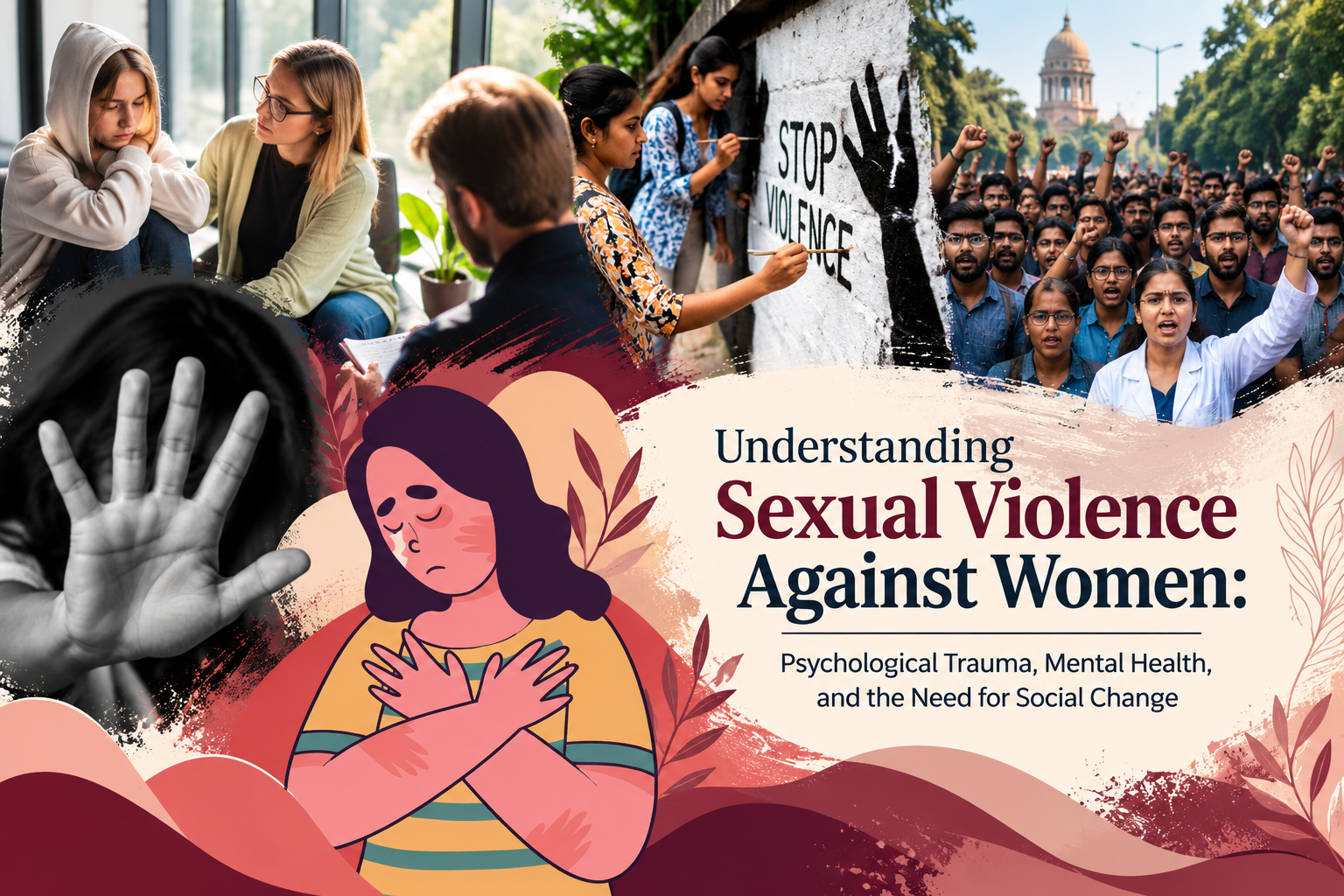
Understanding Sexual Violence Against Women
When news of another rape or assault breaks, the reaction is rarely just “that is terrible.” Many of us feel a body-level response: a knot in the stomach, a surge of anger, a sense that the world is less safe than we believed yesterday. For survivors, the news can reopen wounds. For everyone else, it can bring grief, fear, and helplessness.
This guide looks at protest against sexual violence through a psychological lens: what these events do to our minds, why survivors so often stay silent, why people blame victims, how to support someone who has been harmed, and how to take part in protest without burning out or being re-traumatised. It is written for survivors, supporters, students, activists and anyone who feels the weight of this issue.
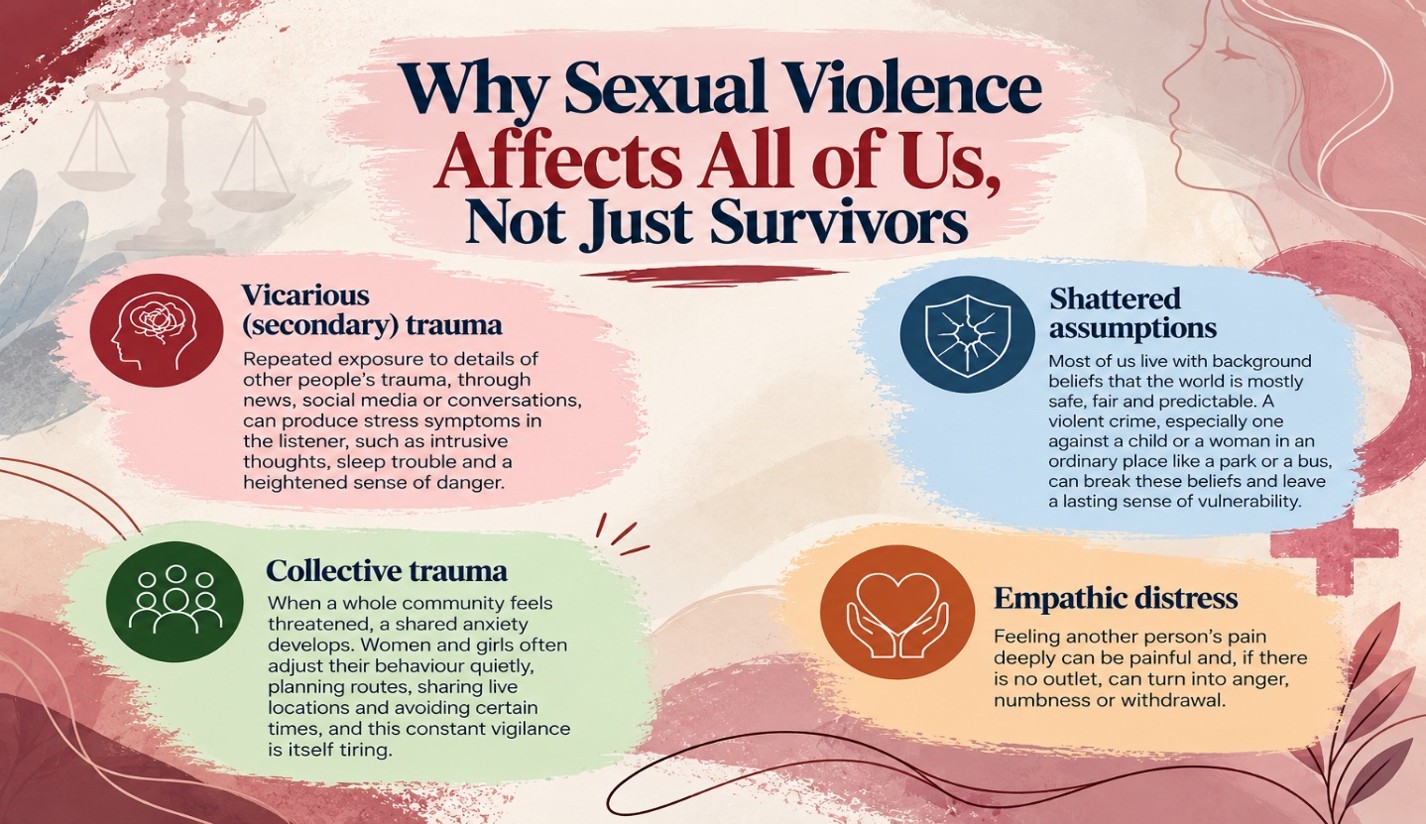
Why Sexual Violence Affects All of Us, Not Just Survivors
Psychologists describe a few ways that distressing public events reach us even when we were not directly harmed:
If you have felt tearful, enraged or sleepless after a news story, that does not mean you are overreacting. It means your mind is responding to a real threat to human safety and dignity.
The Numbers Behind the Psychology: Key Statistics
Numbers cannot capture what a survivor feels, but they show how common this experience is and how often the systems around survivors fail them. According to the World Health Organization (WHO), approximately 1 in 3 women worldwide (31.6%, or around 840 million) experience physical and/or sexual violence during their lifetime, while about 8% of women aged 15 and above have experienced sexual violence by someone other than a partner, affecting approximately 263 million women. Research cited in a Psychiatric Times review found that around 32% of rape survivors in the US National Women’s Study developed PTSD at some point, compared with 9.4% following non-crime trauma, such as road accidents. In India, 29,536 rape cases were registered in 2024, averaging roughly 80 cases per day. An analysis of National Crime Records Bureau (NCRB) data reported that approximately 24% of rape cases disposed of by courts in 2024 resulted in convictions. According to India’s National Family Health Survey (NFHS-5), as reported by Médecins Sans Frontières (MSF), around 30% of women reported gender-based violence, at least 6% reported sexual violence during their lifetime, and approximately 77% of women who experienced violence never spoke about it or sought help. Only 1.2% of sexual violence survivors sought medical assistance, highlighting the barriers to reporting, accessing healthcare, and receiving psychological support.
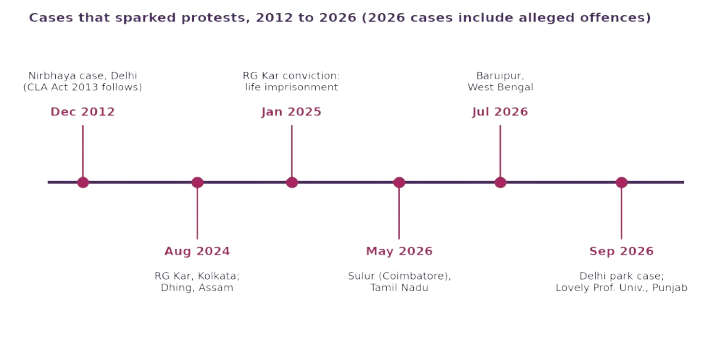
Key Facts About Sexual Violence and Survivors Mental Health
Sexual violence can have serious effects on survivors’ mental health, including anxiety, trauma, and PTSD. However, recovery is possible with appropriate psychological support and care. Fear, stigma, and shame often prevent survivors from reporting abuse or seeking help. Delayed justice and repeated questioning can further increase emotional distress. Since many cases go unreported, official statistics may not reflect the true extent of sexual violence. Raising awareness, reducing stigma, ensuring survivor-centred justice, and providing accessible mental health support are essential to promoting healing and recovery. If you or someone you know is a Survivor.
What Trauma Does to the Mind and Body
Sexual violence is an attack on a person’s safety, autonomy and trust. The aftermath varies, but common experiences include:
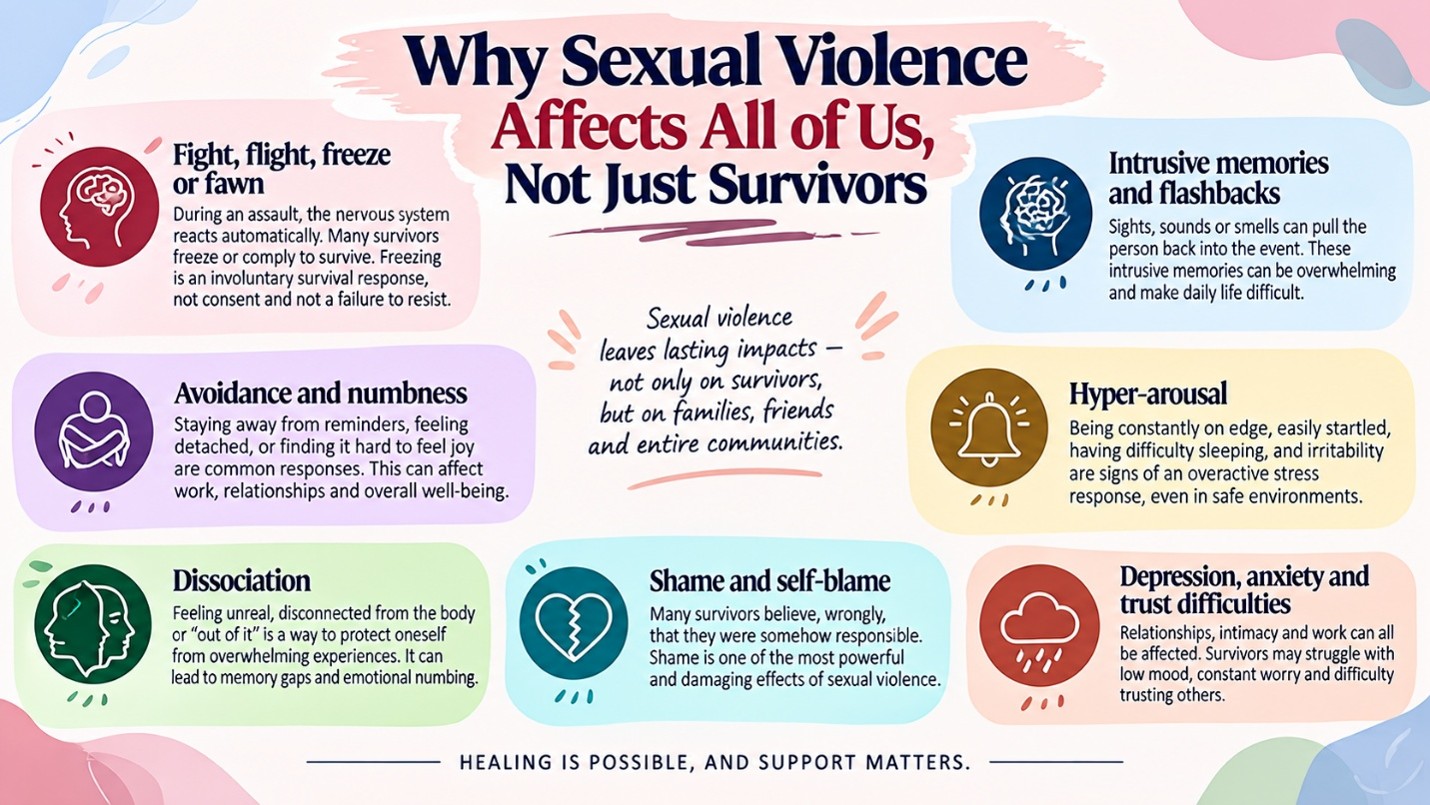
Most people experience many of these symptoms in the first days or weeks after a traumatic event, and many gradually improve with support. In one major US study, about 32% of rape survivors met the criteria for PTSD at some point in their lives, compared with 9.4% after non- crime trauma, which shows how severe sexual violence can be, while also showing that most survivors do not develop lasting PTSD. When symptoms last beyond about a month or interfere with daily life, professional help can make a major difference. Recovery is possible, and it does not follow a straight line.
Why Survivors Often Stay Silent
It is easy to ask why someone did not speak up or report immediately. Psychology gives some answers:
- 1. Shame and self-blame. Survivors may feel dirty, guilty or afraid they will be judged.
- 2. Fear of not being believed. Many have already heard comments that question their clothes, timing or choices.
- 3. Fear of the perpetrator or of losing safety, family or livelihood.
- 4. Emotional overwhelm. Trauma can disrupt memory and make it hard to speak coherently or at all, especially soon after the event.
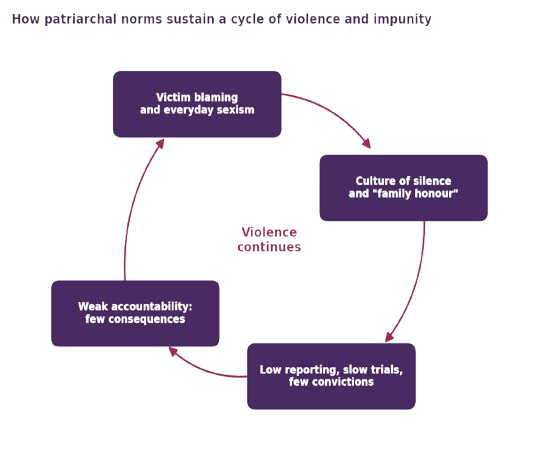
- 5. Institutional betrayal. When police, schools, workplaces or families respond with disbelief, delay or pressure to stay quiet, the harm can deepen. Psychologists call this secondary victimisation, and it can be as damaging as the original event. NCRB’s 2024 data show a conviction rate of only about 24% in rape cases that courts disposed of, which can leave survivors feeling that the system has not believed or protected them.
In India, MSF’s analysis of NFHS-5 found that about 77% of women who experienced violence never spoke about it or sought help. A survivor who stays silent is not lying, weak or complicit. They are protecting themselves in the way they can.
The Psychology of Victim Blaming
Why do so many people ask what a survivor was wearing or why she was out late? Several well- studied thinking patterns are at work:
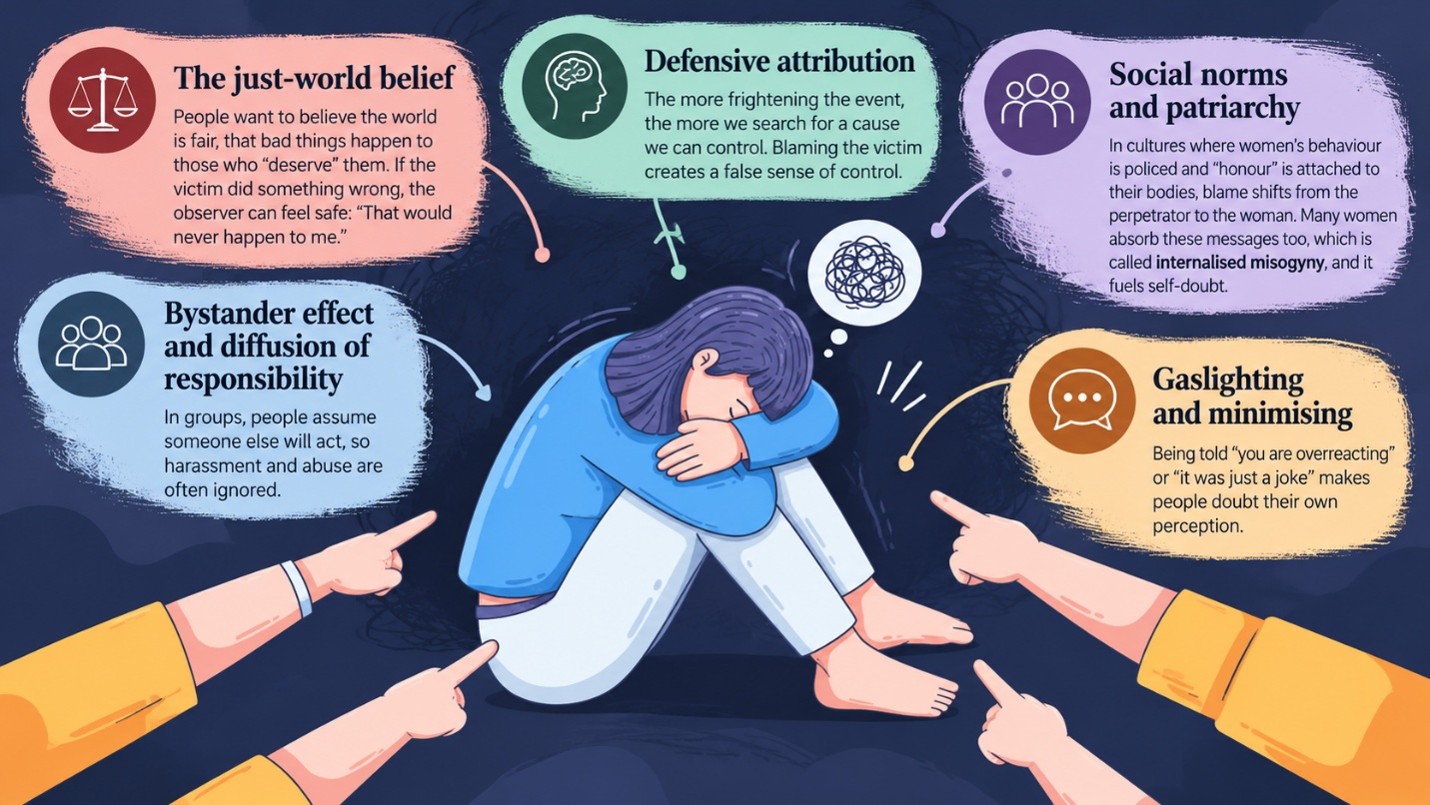
Understanding these patterns helps. When someone blames a victim, it is usually about their own fear, not about what really happened. It also reminds us that responsibility lies with the person who commits violence, always.
Anger, Grief and Helplessness: Making Sense of Your Emotions
Protest against sexual violence is often fuelled by intense emotions. Here is how to understand them:
- 1. Anger signals that a boundary or value has been violated. It can motivate action, but if it has no outlet it can become exhausting rumination.
- 2. Grief is the natural response to loss, including the loss of safety and trust. It needs space, not suppression.
- 3. Helplessness is the feeling that nothing you do will matter. Psychologists link helplessness to low mood. Even small actions, like attending a gathering, signing a petition or checking in on a friend, help restore a sense of agency.
- 4. Guilt for resting or feeling joy is common among activists. Rest is not betrayal. A nervous system that never rests cannot keep caring.
Try naming your feelings out loud or in writing. Research on emotion regulation consistently suggests that putting feelings into words helps calm the brain’s alarm system.
Protest and Mental Health: The Benefits and the Risks
How protest can help your mind
- It gives a sense of agency and purpose in the face of helplessness.
- It builds solidarity, the experience that you are not alone, which is a strong protective factor for mental health.
- It transforms private pain into shared meaning.
How protest can strain your mind
- Crowds, loud speeches and graphic stories can triggersurvivors.
- Confrontation, police presence or hostile reactions can raise stress.
- Constant exposure to news and social media can lead tocompassion fatigue and burnout.
- Perfectionism, the feeling that you must do “enough”, can leave you drained.
The key idea is the window of tolerance, the zone where you feel stirred but still able to think and cope. Too far above it, you feel panicked or enraged. Too far below, you feel numb or shut down. Your goal is to notice when you are leaving that window and bring yourself back.
How to Support a Survivor: A Psychological Guide
Trauma takes away a person’s sense of control, so good support gives some of that control back.
- Believe them. “I believe you” and “It is not your fault” can be the most healing words a survivor hears.
- Listen without asking why. Avoid questions that sound like blame: “Why were you there?” “Why didn’t you shout?” Instead try “I’m here. Take your time.”
- Let them lead. Offer choices and let them decide whether, when and how to seek medical, legal or emotional help, except where a child is at risk and reporting is mandatory.
- Do not push forgiveness, positivity or quick closure. Phrases like “at least you’re alive” or “move on” can feel dismissive.
- Be patient with their reactions. Anger, withdrawal, mood swings or avoiding intimacy can all be part of trauma responses.
- Protect their privacy. Never share their story or identity without permission.
- Look after yourself. Supporters can also feel overwhelmed. Share the load with others and seek support if you need it.
Healing and Post-Traumatic Growth
Healing from trauma usually involves safety, processing and reconnection. Approaches that mental health professionals use include:
- Trauma-focused cognitive behavioural therapy (CBT): Helps people understand trauma reactions and work through painful memories and beliefs such as self-blame.
- EMDR (Eye Movement Desensitisation and Reprocessing): A structured therapy that helps the brain reprocess traumatic memories.
- Somatic and body-based approaches: Gentle work that helps people feel safe in their body again.
- Support groups: Hearing others’ experiences reduces isolation and shame.
- Self-compassion practices: Speaking to yourself as you would to a friend in pain.
Some people also report post-traumatic growth, such as a deeper sense of meaning, stronger relationships or a commitment to help others. This growth does not erase the pain, and nobody is required to “find the positive.” It is simply one possible path after suffering.
Protecting Yourself From Activist Burnout and Compassion Fatigue
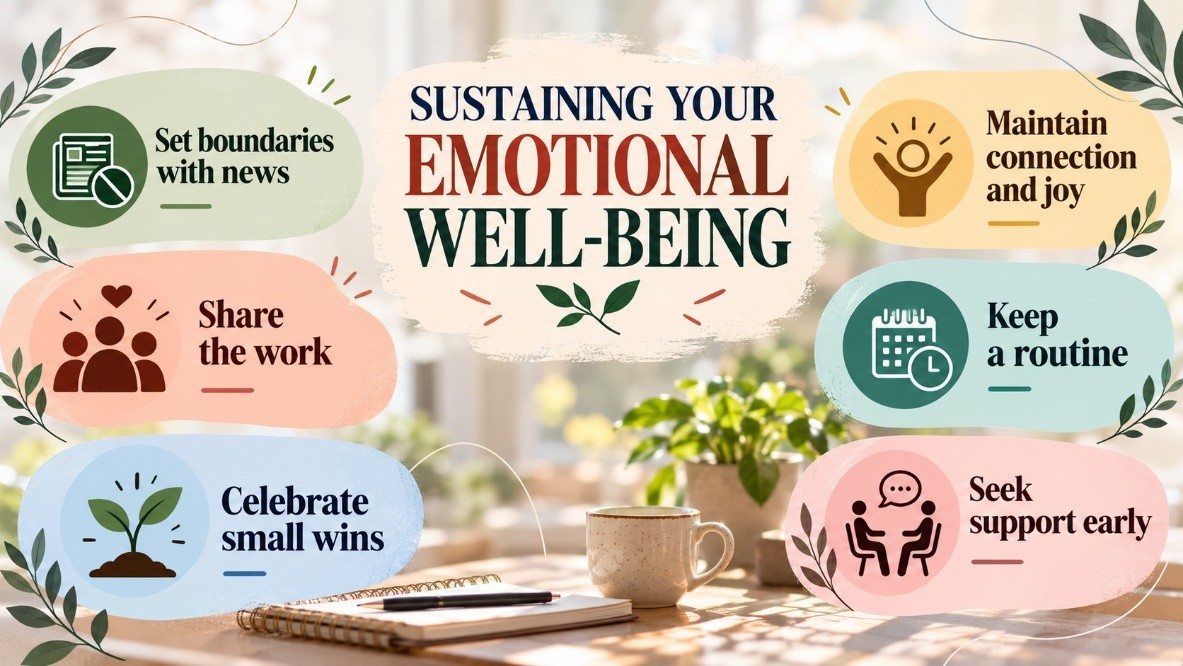
Warning signs include persistent exhaustion, cynicism, irritability, trouble sleeping, feeling emotionally flat and losing interest in things you enjoy. To protect yourself:
When to Seek Professional Help
Please consider speaking to a counsellor, psychologist or doctor if you notice any of the following for more than two weeks:
- Nightmares, flashbacks or panic attacks
- Feeling constantly on edge or unable to relax
- Withdrawing from people or things you used to enjoy
- Heavy guilt, shame or hopelessness
- Using alcohol or other substances to cope
- Thoughts of harming yourself
A Short Practical Note for Survivors
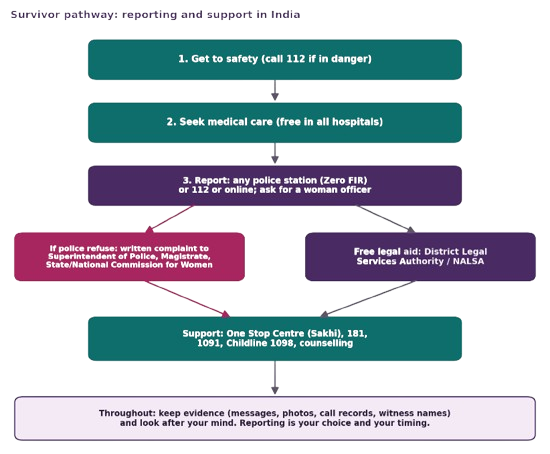
Reporting is your choice, and there is no right or wrong time to seek help. You can contact the police or a women’s helpline for support. Medical care is important, whether or not you report. A trusted person, counsellor, or legal aid worker can guide and support you.
Frequently Asked Questions
1. How common is sexual violence against women?
WHO estimates that about 1 in 3 women worldwide experience physical and/or sexual violence in their lifetime.
2. Why do survivors delay reporting sexual violence?
Fear, shame, trauma, and concerns about being blamed or disbelieved can make reporting difficult. Delayed reporting does not mean someone is lying.
3. Is freezing during an assault consent?
No. Freezing is an involuntary survival response, not consent or a failure to resist.
4. Can news about sexual violence affect mental health?
Yes. Repeated exposure may cause anxiety, anger, sleep problems, and vicarious trauma. Limiting exposure and practising grounding techniques can help.
5. When should I seek professional help?
Seek support if nightmares, panic, distress, or withdrawal persist for more than a couple of weeks or interfere with daily life. You do not need to wait for a crisis.
Final Thoughts
The numbers show how common this experience is and how often survivors stay silent, and the psychology explains why. Understanding the psychology of sexual violence helps us respond with more compassion and less blame. It explains why survivors stay silent, why society so often looks away, and why caring about this issue can hurt. Speaking up is powerful, and so is looking after yourself while you do it. Healing, justice and change are all long journeys, and you do not have to walk them alone.
Sources
- Violence against women, WHO fact sheet
- Rape-related PTSD: issues and interventions, Psychiatric Times
- Near-zero healthcare-seeking behaviour in survivors, MSF South Asia (NFHS-5 analysis)
- Long wait for justice as pendencies in rape cases mount (analysis of NCRB 2024 data)
If this guide helped, share it with someone who may need to hear “it is not your fault” or a reminder to rest.